Why are Market Reports so Important?
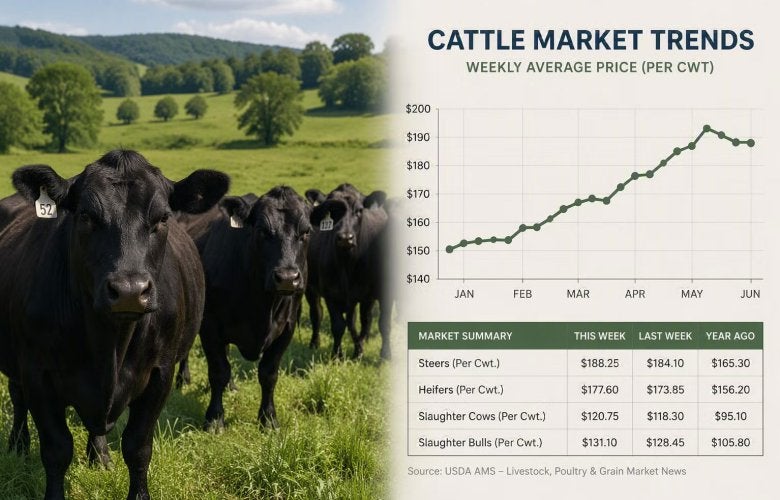
Why are Market Reports important?
Market reports play a critical role in helping agricultural producers make informed decisions. These reports provide valuable insights into supply, demand, pricing trends, and overall market performance. By offering transparency, market reports help producers understand the true value of commodities, which is essential for fair and competitive transactions. This information can guide price negotiations, marketing strategies, and evaluate the performance of a producer’s products. Ultimately, market reports help maintain integrity within the industry by ensuring producers have access to accurate data and are not taken advantage of by other market participants.
How Can I Tell if Market Reports Are Reliable?
Accuracy matters when it comes to market data. While mistakes can happen, producers should strive to use the most reliable information available. Federal and state agencies, such as the USDA and KDA, work diligently to provide accurate reports with clear descriptions. When reviewing a report, always consider the source first. Reports from reputable organizations are generally more trustworthy.
Context also matters. For example, a cattle market report from a sale with only a few head should not carry the same weight as one from a larger, more representative sale. Comparing individual sale reports to state-level weekly or monthly averages can help determine consistency. Thanks to standardized grading systems, producers can compare prices for similar cattle across different markets—ensuring they are truly comparing “apples to apples.”
What Should I Keep in Mind When Reviewing Market Reports?
Most cattle producers take great pride in their livestock, and rightly so. However, if market reports suggest your cattle are not bringing the same prices as others in the state, there are steps you can take:
- Sell competitively: Auctions promote price discovery and can often lead to higher prices, even after accounting for commission fees.
- Adjust timing: Use historical market data to identify periods when prices are typically stronger.
- Explore alternative marketing strategies: Consider retained ownership or direct marketing opportunities to capture more value.
- Improve genetics and seek unbiased feedback: Industry standards may value certain traits differently than you expect. Use available resources to enhance the quality of your herd.
Market reports are one of the most valuable tools available to agricultural producers. When used correctly, they provide insight into current market conditions, help identify opportunities for improvement, and support more informed marketing and management decisions. By regularly reviewing reliable market data and comparing it to your own operation’s performance, you can better position your farm for long-term success. In an industry where margins can be tight, and market conditions can change quickly, staying informed is one of the best investments a producer can make.
See All News & Information