Rural Starter Home FAQs: Land, Loans, Next Steps
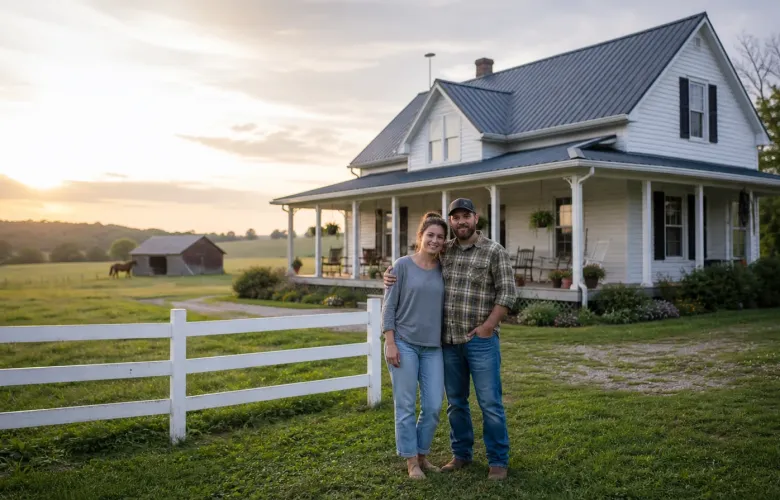
Purchasing your first home in the country is an exciting milestone. You may envision a cozy home with a wraparound porch, space for a garden, or even room for a few livestock animals. However, when a property includes more acreage than a traditional in-town lot, understanding the financing options can feel overwhelming.
This FAQ is written for members like you: first‑time rural homebuyers who want clear, practical answers so you can move forward with confidence, not pressure.
What is a rural starter home—and loan?
A rural home loan is a mortgage designed for homes in the country or small towns, where you may have more land, outbuildings, or mixed uses. It lets you finance the house and acreage together in one long-term loan, often with more flexible acreage guidelines than city mortgages.
For a starter home, that might look like a three-bedroom house on five acres with a small barn or shop. With Central Kentucky Ag Credit, your home and the land it sits on can often be financed in a single loan, with no set acreage limit. That means you may not have to juggle separate notes for the house, land, and outbuildings.
Common question: “Is there a maximum number of acres?”
Many traditional lenders are limited by acreage caps. Because rural home lending is our everyday work, a home with more land can still be considered, if the property and your plans meet underwriting guidelines.
How much country home can I realistically afford?
Before you fall in love with a farmstead listing, it helps to know what fits comfortably in your budget. The key numbers are your income, your other monthly obligations (like vehicles or student loans), your savings for a down payment, and your comfort level with a monthly payment range.
Common questions:
“Do I need a large down payment?” Not always. Your options will depend on your credit profile, income, and the loan program that best fits your goals.
“Will land make my payment jump?” More acreage can affect price and taxes, but a clear budget conversation up front helps you target properties that keep your total payment in your comfort zone.
A local loan officer can walk through your actual numbers and show what different price points, rates, and down payments mean in real dollars each month.
Can I buy land now and build my home later?
For many first-time rural buyers, the toughest decision is whether to buy a finished home or start with bare land and build over time. Both paths can work—it just depends on your timeline, budget, and how much building you want to take on.
Scenario: You find 15 acres in Central Kentucky that fits your long-term vision for a garden, a barn, and a modest home. You might choose to finance the land first, then use a construction loan later to build a three-bedroom house and tie everything together with long-term financing once the home is complete.
Common questions:
“Can I finance land, home, and outbuildings together?” In many cases, yes. With the right structure, qualifying outbuildings—like a barn or shop—can be included in a single loan along with your home and acreage.
“Is it better to buy a smaller place that’s move‑in ready?” A finished home on fewer acres may let you move sooner with more predictable monthly costs, while a larger land‑first purchase can offer more flexibility but require patience and a clear plan.
Talking through your long-term plans—livestock, a side business, timber, or simply quiet space—helps match the loan structure to the way you really hope to use the property.
How do wells, septic systems, and soil tests affect my loan?
City homes usually tie into municipal water and sewer. In the country, you are more likely to rely on a well and a septic system, which means there are a few extra steps to protect both your family and your investment.
Common question: “Do wells and septic systems make my loan harder?”
Not necessarily. But lenders and local authorities will want to confirm that everything is safe, functional, and properly permitted.
In many Kentucky counties, you may need a percolation ("perc") test to show that the soil drains well enough for a septic system. Existing systems may require inspection; new systems must meet local health department standards before they are approved. These are normal parts of rural due diligence, not red flags.
If you are buying bare land, soil tests are especially important. A tract that looks perfect on the surface can present challenges if the soil will not support a conventional septic system. That can affect where you can build, what type of system you need, and ultimately your total project cost.
Bringing questions about wells, septic, and soil to the table early helps your lender make sure the loan structure—and your budget—fit the real conditions on the ground, not just the listing photos.
What does the rural loan process look like, step by step?
When you know what to expect, the rural home loan process feels much less intimidating. While every member’s situation is different, most paths follow a few familiar steps from first conversation to keys in hand.
Step 1: Talk through your goals. You and a loan officer discuss where you want to live, how much land you hope to buy, and whether you are looking at an existing home, new construction, or land today with a future build. This can happen over the phone, online, or in person.
Step 2: Review your finances. Together you gather income information, recent bank statements, and details about any loans or obligations you already have. This information helps define a realistic price range and loan options.
Step 3: Choose a property and complete underwriting. Once you are under contract, the property is evaluated and your loan is underwritten based on your financial picture and the land and home you are buying.
Step 4: Close and move in. After final approvals, you sign your closing documents and receive your keys. For many straightforward purchases, this process can often be completed in a matter of weeks once all documents and inspections are in place.
Throughout, Central Kentucky Ag Credit’s relationship-focused approach means you work with the same loan officer from that first conversation through closing, instead of being handed off from department to department.
Why a local cooperative lender matters for your first country home
A cooperative lender rooted in Central Kentucky understands how weather, markets, and community decisions affect property values and member plans over time. Rural home loans here are not a one‑time product; they are part of a long-term relationship with people who live and work on the land.
For a first‑time rural buyer, that relationship can make a real difference. You can ask the questions that might feel “too basic” somewhere else—about acreage, barns, soil tests, or refinancing later—and get answers grounded in real experience.
Buying your first home in the country can feel overwhelming, but you do not have to navigate the process alone. Whether you're looking for a move-in-ready home, acreage to build on, or a place with room to grow, Central Kentucky Ag Credit can help you understand your options and take the next step with confidence.