Rural Home Loans 101: Simple Guide for First-Time Buyers
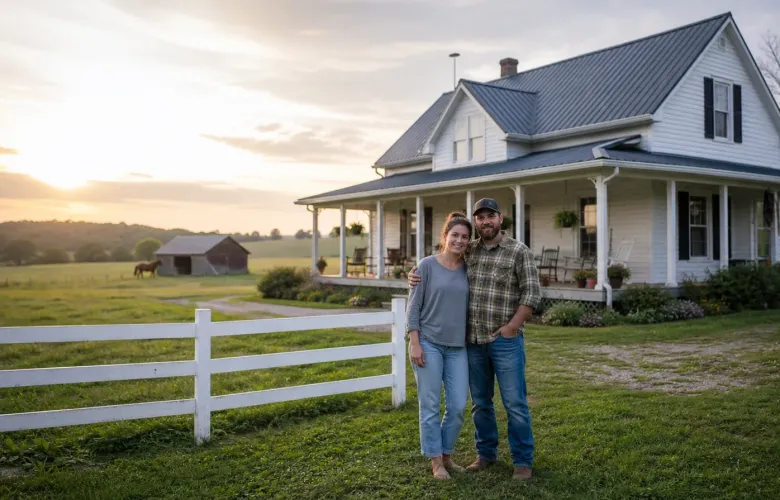
Buying your first place in the country is a big step. You might be dreaming about a front porch that looks out on open fields, space for a garden, or even a few head of livestock—but feel unsure how the financing works when there is more land involved than a typical in-town lot.
At Central Kentucky Ag Credit, we talk with a lot of people in your shoes. This beginner guide is for members like you who want clear, practical help understanding rural home loans so you can move forward with confidence, not pressure.
What is a rural home loan?
A rural home loan is a mortgage designed for homes in the country or small towns, often allowing more land, flexible acreage, and mixed uses than typical in-town loans. It lets you finance your home and property together while keeping payments structured in a simple, long-term plan.
With Central Kentucky Ag Credit, a rural home loan can cover both your home and the land it sits on in a single loan, with no set acreage limit. That means a three-bedroom home on five acres with a barn can often be financed together, instead of juggling separate loans for the house, the land, and your outbuildings.
Can you afford a rural home?
Before you fall in love with a property, it helps to understand what fits comfortably in your budget. The basics are your income, your monthly obligations (like vehicles or other loans), your available savings for a down payment, and your comfort level with a monthly payment range.
Choosing the right property: land, home, or both
For many first-time rural homebuyers, the hardest choice is not the lender—it is the property. Some members look for a move-in-ready country home with a few acres. Others choose to buy bare land first, planning to build a home, barn, or shop over time as budget and life allow.
Each path comes with tradeoffs. A finished home on smaller acreage may mean you can move sooner, with a clearer idea of total monthly costs. A larger tract of land with no home can offer more long-term flexibility for livestock, timber, or additional buildings, but you will need a plan for construction and carrying costs until the home is complete.
This is where asking good questions about the land really matters. Simple details—like how the property is accessed, whether utilities are already on-site, how the land drains, and whether there are deed restrictions—can affect both your enjoyment of the property and your long-term costs. Central Kentucky Ag Credit often encourages buyers to think through questions such as road frontage, soil tests for septic systems, and annual tax obligations before they ever sign a contract.
How the rural home loan process works, step by step
When you know what to expect, the loan process feels less intimidating. While every situation is unique, most rural home loans follow a path with a few familiar steps.
First, you start with a simple conversation about your goals: where you want to live, how much land you hope to buy, and whether you are looking at an existing home, new construction, or land with a future build. This can happen over the phone, online, or in person with a local loan officer.
Next, you review your finances together and gather documentation, such as income information, recent bank statements, and details about any current loans. Your loan officer uses this information to help you understand your options and what a comfortable price range might look like.
From there, the property is evaluated, the loan is underwritten, and you move toward closing. Throughout this process, Central Kentucky Ag Credit’s relationship-focused approach means you work with one loan officer who stays with you from that first conversation through the day you receive your keys.
Common first-time rural homebuyer questions, answered
If you are new to rural home loans, your questions are normal—and important. Here are a few we hear often from first-time buyers.
- “Is there a maximum number of acres?” Many traditional lenders are limited by acreage caps. At Central Kentucky Ag Credit, rural home financing is designed with flexible acreage in mind, so a home with more land can still be considered.
- “Can I finance a home and outbuildings together?” Yes, in many cases you can combine home, land, and qualifying outbuildings into one loan, rather than managing separate notes.
- “What about wells, septic systems, and soil tests?” In the country, you may need a percolation test and inspections to confirm that the soil drains well enough for a septic system. These are common steps, not red flags.
- “What if I want to refinance later?” If rates or your goals change, refinancing may help you lower your payment or shorten your term. A local loan officer can walk through pros and cons based on your situation.
Bringing your questions to the table early helps your lender match financing options to your real plans for the property, not just the listing price on paper.
Why a local cooperative lender can guide you home
Rural families often balance lower average incomes with higher construction and infrastructure costs than people in larger cities. The National Association of Realtors notes that these realities can make accessing safe, affordable housing more challenging in rural areas, as outlined in its Rural Single-Family Housing Programs overview.
That is why local guidance matters. A cooperative lender rooted in Central Kentucky understands how weather, markets, and community decisions affect property values and member plans. At Central Kentucky Ag Credit, rural home loans are simply one part of a long-term relationship with members who live and work on the land.
If a country home is part of your future, you do not have to navigate the financing on your own. Talk with a local loan officer at Central Kentucky Ag Credit about your goals, timeline, and the kind of place you hope to call home. A simple conversation today can help you take a confident next step toward your own front porch.